Tell A Joke Day
Laughter is the best medicine, and Tell A Joke Day is the perfect time to spread joy. I love sharing my favorite jokes and funny stories with you. This day...
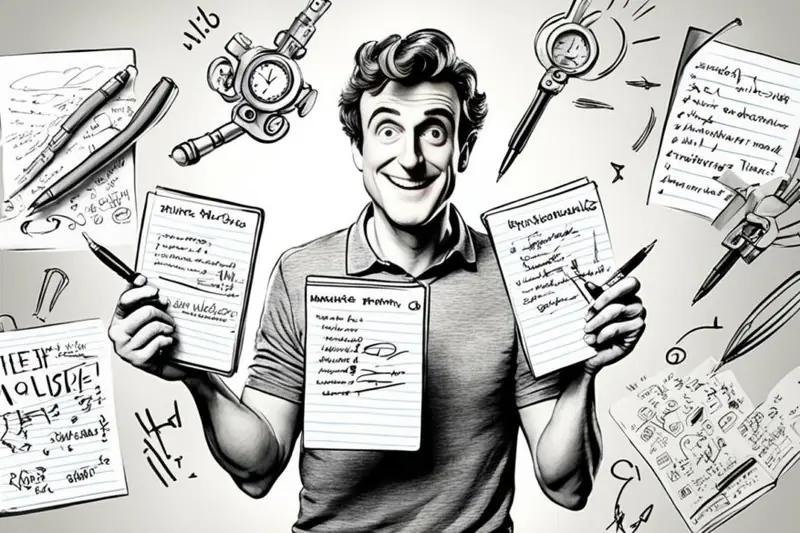
Laughter is the best medicine, and Tell A Joke Day is the perfect time to spread joy. I love sharing my favorite jokes and funny stories with you. This day is for everyone to show off their funny side and have a great time.
Key Takeaways
- Discover the origins and history of the annual Tell A Joke Day celebration.
- Explore the various types of jokes, from verbal one-liners to physical comedy.
- Learn about the health benefits of laughter and how it can improve your mental well-being.
- Discover tips for telling jokes effectively and developing a stronger sense of humor.
- Enjoy a roundup of the funniest jokes and stories to make you laugh out loud.
Different Types of Jokes
Laughter is a big part of our lives. Jokes are a common way to make us laugh. There are two main types of jokes: verbal and physical jokes.
Verbal Jokes: One-liners, Stories, and Question-Answer Format
Verbal jokes use words to make us laugh. They include one-liners, short stories, and question-answer jokes. One-liners are short and funny. Short stories have a funny ending. Question-answer jokes surprise us and make us laugh.
Physical Jokes: Pranks and Practical Jokes
Physical jokes use actions and pranks to make us laugh. They can be simple or complex. Pranks are fun but can surprise us. Slapstick comedy uses funny movements to make us laugh.
For centuries, verbal and physical jokes have entertained us. They help us connect with others through laughter. Making people laugh is a special skill.
tell a joke day
On Tell A Joke Day, we share lots of jokes. People post their top one-liners and funny stories online. Comedy shows and famous comedians are big hits too. Joke books and improv classes help us get better at telling jokes.
Sharing Jokes and Laughter
The main aim is to keep things light and laugh a lot. It’s about sharing funny stories with friends or sending out memes. The goal is to spread happiness with humor.
Exploring Joke Books and Comedy Shows
Joke books are full of great jokes to share on Tell A Joke Day. They have everything from classic jokes to new one-liners. Going to comedy shows or improv classes is also a blast. It helps us learn how to tell jokes and be more creative.
The true spirit of Tell A Joke Day is to celebrate laughter. By being our funniest selves and making others smile, we make the day special. It’s all about joy, friends, and lots of laughs.
“Laughter is the best medicine, and Tell A Joke Day is the perfect prescription for a dose of pure joy.”
The Art of Joke Telling
Telling jokes is an art that needs practice, timing, and understanding of comedy. I’ve learned that the secret to making people laugh is knowing how to deliver jokes well.
Timing and Delivery of Jokes
Getting the timing right is key. A joke delivered at the perfect moment can lead to big laughs. Comedians work hard to build up the tension before the punchline. This skill comes from practicing and watching others.
How you say the joke matters too. Saying it with confidence and at a good pace can make it fun. The best tellers know how to connect with their audience. They adjust their voice and body language to keep everyone engaged.
Developing a Sense of Humor
- Knowing what makes people laugh is the first step in building a sense of humor.
- Watching the world and noticing the funny things in it can help you find humor.
- Learning from famous comedians can teach you a lot about telling jokes.
Whether you’re a pro or just love jokes, learning to tell them well is rewarding. With effort, patience, and an eye for timing, you can make people laugh and share joy.
Best Funny Laughing Jokes
Joke lovers have found the best and funniest jokes for Tell A Joke Day. They include classic one-liners, puns, and funny stories. These jokes are perfect for making people laugh and brightening their day.
Classic One-liners and Puns
Get ready for some cheesy puns and witty one-liners. They will make your friends and family laugh and roll their eyes. Puns like “I’m reading a book about anti-gravity. It’s impossible to put down!” are sure to bring laughter.
Hilarious Anecdotes and Stories
- Did you hear about the claustrophobic astronaut? He just needed a little space!
- I tried to catch some fog earlier. Mist.
- Why can’t a bicycle stand up on its own? It’s two tired!
These short, funny stories have great punchlines. They range from a claustrophobic astronaut to a punny bicycle joke. These jokes are great for making people laugh and sharing their own funny stories.
Classic one-liners, puns, and funny stories are the best for Tell A Joke Day. They spread laughter and bring people together. So, get ready to make everyone laugh and have a great time!
Joke Writing and Creating New Material
Making jokes is like an art. It needs creativity and knowing what makes people laugh. As a journalist, I’ve learned top comedians use their daily life, funny observations, and stories for jokes.
Sources of Inspiration for Jokes
- Everyday Observations: Watching the little things in life can give you lots of joke ideas.
- Personal Experiences: Think about your own funny moments for inspiration.
- Interactions with Others: Watching how people talk and act together can spark joke ideas.
- Current Events and Pop Culture: Keeping up with news and trends helps you make jokes people like.
Joke Writing Techniques
- Playing with Language: Try using puns and wordplay to make jokes stand out.
- Subverting Expectations: Surprise your audience with a joke that goes in a new direction.
- Finding Unexpected Connections: Connect different ideas in a funny way to make new jokes.
- Exaggeration and Absurdity: Make things more absurd to get laughs.
| Joke Writing Technique | Example |
|---|---|
| Playing with Language | Why can’t a bicycle stand up on its own? It’s two-tired! |
| Subverting Expectations | I went to the zoo the other day, it had just one dog in it. It was a shih tzu. |
| Finding Unexpected Connections | I tried to catch some fog earlier. Mist. |
| Exaggeration and Absurdity | I’m so lazy, I have a tip-toe alarm clock. |
Joke writing is a journey. The more you do it, the better you get at creating new jokes. Use your sources of inspiration and joke writing techniques to make jokes that make people laugh.
The Psychology of Humor
Psychologists and researchers have always been curious about what makes us laugh. They look into the mind and feelings behind humor. This helps us understand ourselves and how we connect with others through laughter.
What Makes People Laugh?
Culture, personal taste, and the setting of a joke matter a lot in what’s funny. Laughter is complex, mixing thinking, feeling, and social parts.
Experts say several things make us see humor:
- Incongruity – Jokes work by being unexpected, making us laugh at the surprise.
- Superiority – We laugh when we feel better than the joke’s subject or when we see our own silly side.
- Relief – Humor helps us let go of stress, making tough times easier to handle.
Knowing these reasons helps us see why we laugh and how humor connects us and helps us think better.
| Factor | Description |
|---|---|
| Incongruity | Jokes often rely on unexpected twists or the juxtaposition of unrelated ideas, which can trigger laughter as the brain processes the discrepancy. |
| Superiority | Laughter can arise from a sense of being superior to the target of the joke, or from the recognition of one’s own absurdity or flaws. |
| Relief | Humor can provide a release of tension or anxiety, allowing individuals to cope with difficult or stressful situations. |
Understanding humor’s psychology shows us what makes us laugh and how laughter connects us and helps us think better.
Laughter in Different Cultures
Laughter is a language everyone understands, but it’s seen in many ways around the world. We’ll look at how laughter in different cultures shows us unique styles and differences in humor.
In some places, humor is quiet and subtle. A look or a smile can be funny. But in other places, laughter is loud and full of action, with big laughs and silly acts.
What’s funny in one place might not be in another. Knowing about cultural differences in humor helps us be kind and understanding. It lets us see the many ways people find humor and the special meanings behind it.
“Laughter is the language of the soul.” – Pablo Neruda
Humor brings people together, helps us relax, and shares our common stories. By looking at laughter in different cultures, we learn more about connecting with others and the big role humor plays in our lives.
From British wit to Latin American fun, the world’s cultural differences in humor show us many ways to enjoy life and connect with others through laughter.
Conclusion
Tell A Joke Day is more than just a day to laugh. It shows us how humor can bring people together and make us feel better. Sharing jokes helps us connect, lowers stress, and boosts our happiness.
We’ve looked into the history of Tell A Joke Day and the types of jokes out there. We’ve seen how laughter is good for our health and how different cultures view humor. This day encourages us to be more funny and enjoy the happiness laughter brings.
Let’s keep being open-minded and respect each other’s limits. Sharing jokes with friends, going to comedy shows, or finding humor in daily life is key. Tell A Joke Day reminds us that laughter is powerful. So, let’s keep laughing, connecting, and spreading smiles.
FAQ
What is Tell A Joke Day?
Tell A Joke Day is a special day on August 16th. It’s all about sharing jokes and laughter with others.
What are the origins of Tell A Joke Day?
We don’t know exactly where it started, but it’s meant to spread happiness by sharing jokes.
Why is laughter important?
Laughter is great for our health. It lowers stress, boosts our immune system, and makes us feel better overall.
What are the different types of jokes?
Jokes come in two main kinds. Verbal jokes use words and punchlines . Physical jokes are about actions and visuals.
How can I celebrate Tell A Joke Day?
You can share jokes online, go to comedy shows , or take improv classes. Reading joke books is also a good idea.
What are the key elements of effective joke telling?
Timing and how you deliver jokes are key. Knowing what makes people laugh and reading your audience helps too.
Where can I find the best and funniest jokes?
There are many classic jokes, puns, and funny stories out there. They’re perfect for Tell A Joke Day.
Who are some famous comedians known for their joke-telling abilities?
Stars like Jerry Seinfeld, Dave Chappelle, Ali Wong, and Hasan Minhaj are great at telling jokes. They make people laugh with their unique styles.
How can I develop my own joke-writing skills?
To write funny jokes, be creative and know what makes people laugh. Try using language in new ways and finding unexpected connections.
How does culture influence humor and what makes people laugh?
Laughter is a global thing, but humor varies by culture. Knowing about these differences can help us connect better with others.
Got a joke that belongs on this list? Send it to info@millionjokes.com. We review every submission and only publish jokes that are clean and family-friendly. Browse more in More Joke Lists.