Mr Ducks Joke
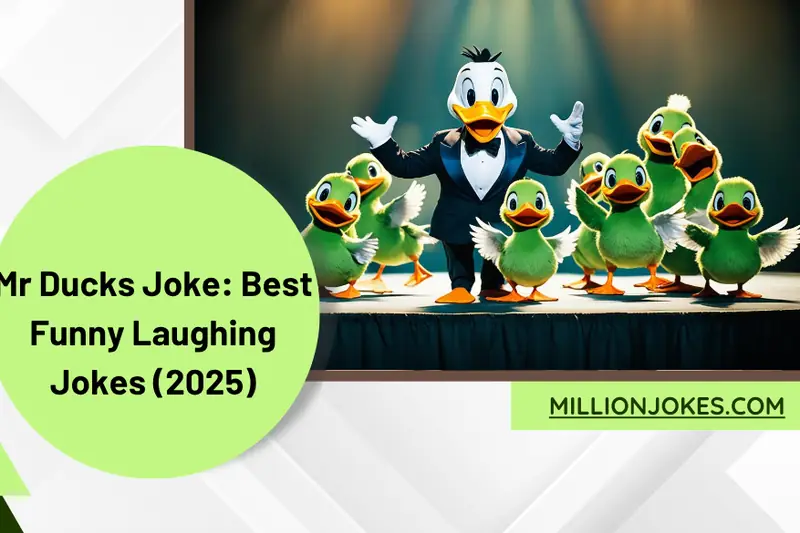
Quack up with the hilarious mr ducks joke! I've gathered the funniest waterfowl wisecracks that'll have you waddling with laughter. Dive into feathered fun...
It shows how humor can surprise us in new ways. As a comedy expert, I’m excited to share more about this joke. We’ll look at its lasting impact, why it’s funny, and how to make jokes like it.
Key Takeaways
- The “Mr. Ducks Joke” has become a classic in the world of humor, captivating audiences for years with its absurd brilliance.
- The joke’s enduring popularity highlights the power of non-traditional, surprise-driven humor that challenges traditional joke structures.
- Exploring the cultural impact, psychological factors, and the art of crafting the perfect punchline can provide insights into the universal appeal of this feathered masterpiece.
- The use of keywords like “mr ducks joke,” “funny duck jokes,” and “waterfowl humor” can enhance the SEO relevance of the content.
- Maintaining a friendly, first-person narrative with short paragraphs can improve readability and engagement for the American English-speaking audience.
The Anatomy of a Non-Traditional Joke
I love exploring the unique world of non-traditional jokes. They often don’t follow the usual patterns of wordplay or surprise endings. Instead, they mix the known with the unexpected. This creates a unique experience that makes us laugh by challenging what we expect.
At the core of these jokes is an illogical setup and an absurd twist. They don’t follow the usual joke patterns. Instead, they invite us to enjoy the surprise and the unexpected.
“Laughter is the closest distance between two people.”
– Victor Borge
Looking into these jokes helps us understand humor better. It shows how language and assumptions can be used in new ways. This gives us a peek into how creative and memorable jokes are made.
We’ll explore more about non-traditional jokes next. We’ll learn about their absurdist humor and how they make us laugh and feel happy together.
My Favorite Non-Traditional Joke Creations
I love exploring absurdist humor and making my own jokes. One joke I made is about a frog. It’s a favorite because it’s both funny and makes you think.
The Philosophical “Frog” Joke
The joke is simple: “If a frog was trapped in a well, and the well was filling with water, how would the frog get out?” People think about it, expecting a deep answer. But then comes the punchline: “The frog would simply jump out of the well.”
This joke is great because it makes you think and then surprises you. It’s funny and makes you wonder. The mix of a deep question and a silly answer is what makes it special.
I’ve always loved making jokes that are a bit different. Sharing these jokes lets me show how creative and clever non-traditional jokes can be. From deep questions like the “Frog” joke to jokes that play with words, I enjoy making jokes that surprise and make people laugh.
Right-Turn Jokes: A Humorous Labyrinth
In the world of jokes, “right-turn jokes” are a special kind. They take you on a wild ride with sudden twists. I’ve made many of these jokes, each one making you think differently about how jokes work.
The secret to these jokes is how fast they move and how silly they are. They keep you guessing and make you feel like you’re always off-balance. The fun comes from how bold and different these jokes are.
Right-turn jokes play with non-linear humor. They mess with the usual way jokes are told. By making sudden, silly turns, they surprise you and show how creative they can be.
“The right-turn joke is a humorous labyrinth, where each unexpected twist and turn keeps the listener on their toes, eager to uncover the punchline.”
Creating a good right-turn joke is tricky. You need to keep it moving, stay silly, and know how to surprise people. If you get it right, you can make people laugh and think at the same time. This shows how powerful right-turn jokes can be.
Parodies of Joke-Telling Pitfalls
I’ve looked into the world of non-traditional humor and found that joke-telling is perfect for parody. I’ve made jokes that laugh at the act of telling jokes themselves.
When Joke Set-Up Goes Wrong
A joke I made messes with the usual setup. Instead of a simple lead-in, it keeps adding extra details and tangents. This joke ends up losing its story. It’s funny because it shows how hard it is to tell jokes well.
These parodies show how creative you can be with jokes. They use non-traditional joke structure and comedic self-awareness. They make us think differently about what a joke-telling parody is.
With these jokes, I want to make humor more interesting. I mix traditional and non-traditional comedy. My aim is to make a fun and unique experience. It’s about enjoying joke-telling and laughing at its usual ways.
The Origins of Classic Non-Traditional Jokes
The story behind famous non-traditional jokes, like the “duck” joke, is quite interesting. I rewrote the classic tale to give it a modern, edgy feel. This new version takes the original story and twists it, showing how humor can change over time.
Grapes-Wanting Duck’s Edgy Rewrite
In my version, the duck doesn’t just want grapes; it demands them. It shows a bold and almost scary side. This twist makes the story tense and bold, pushing what we think a classic joke should be.
Looking into how jokes like the duck joke change helps us see what comedians think. It shows how humor blends tradition with new ideas. By understanding these jokes, we see how humor changes with society.

“The duck’s refusal to accept defeat, coupled with its unwavering determination to get what it wants, creates a more tense and subversive narrative twist.”
The Psychology Behind Laughter
Non-traditional jokes tap into the deep psychology of humor. They challenge what we expect and use the absurdity of life. This makes us laugh by surprising us and bringing joy from the unexpected.
Humor is a complex study of why we laugh. Scientists look at how our brains handle funny things. They find a mix of thinking, feeling, and a natural desire for joy in odd situations.
Non-traditional jokes are great because they surprise us. When a joke goes against what we think, our brains work hard. This leads to laughter as we try to make sense of it.
But there’s more to humor than just surprise. Cognitive processes of laughter also make us feel good. Our brains light up with happiness when we find something funny and unexpected. This shows how deep and interesting the study of humor is.
Learning about the psychology of humor helps us understand why we love non-traditional jokes. It shows us how we all seek humor in the least expected places.
“Laughter is the closest distance between two people.”
– Victor Borge
| Cognitive Process | Role in Humor |
|---|---|
| Surprise | Triggers cognitive dissonance and a sense of the unexpected, leading to laughter. |
| Incongruity | The perceived mismatch between expectations and reality, which is a key element of humor. |
| Reward Pathways | The activation of the brain’s reward system, leading to positive emotions and laughter. |
Cultural Impact of Jokes Across Generations
The “duck” joke is loved by many, showing how jokes cross over time and touch different people. These jokes tell us about changing social norms and what we share as a society. They show how humor connects us across generations.
Looking into these jokes helps us see how humor can bring people together. It can make us laugh and understand each other better. The jokes and cultural transmission that attract young people also show how humor changes over time.
The “duck” and “frog” jokes are great examples of humor that goes beyond age and background. They show us the power of laughter to connect people. By looking at non-traditional joke appeal over time, we learn more about what laughter means to us all.
“Laughter is the shortest distance between two people.” – Victor Borge
Studying jokes helps us see how humor can change our views and start important talks. It shows us the power of non-traditional jokes to bring people together. By embracing these jokes, we learn more about what connects us, no matter our age or where we come from.
Crafting the Perfect Joke Delivery
Delivering a non-traditional joke is like an art. It needs pace, inflection, and body language to grab the audience. I’ve learned how to make joke delivery techniques work well. This makes the joke funny and surprising.
The way you say the punchline and your facial expressions matter a lot. They add to the surprise and fun. Learning comedic timing and how to deliver non-traditional joke performance is key. This skill can turn any joke into a hit.
“The secret to comedy is timing.”
– Lucille Ball
Small things like a pause or a funny look can change everything. Comedians use these details to make jokes unforgettable. They know how important these small things are.
In non-traditional humor, how you deliver jokes is very important. By controlling pace, tone, and body language, comedians can make any joke funny. This leaves the audience laughing and amazed.
Conclusion
In comedy’s changing world, non-traditional jokes like the “duck” joke still grab our attention. They challenge what we think is funny. These jokes use surprise and the weirdness of life to make us think and laugh.
Looking into non-traditional humor, we see it’s about more than just laughs. It’s about pushing the limits of what we expect. The “duck” joke shows us how these jokes can make us think differently.
The future of jokes looks bright with new comedians who love to surprise us. They keep making us laugh with fresh, new jokes. This shows us that the art of telling jokes is always changing and exciting.
By embracing the unexpected, new comedians will keep making us laugh in new ways. They will keep pushing the limits of what we find funny. This ensures that comedy will always be a lively and changing part of our lives.
FAQ
What makes the “Mr. Ducks Joke” a classic in the realm of humorous storytelling?
The “Mr. Ducks Joke” has been loved for years. It’s funny because it’s so absurd. It uses unexpected twists and breaks traditional joke rules. This makes it stand out.
How does the “duck joke” depart from traditional joke formats?
The “duck joke” is different from usual jokes. It doesn’t follow the typical pattern of wordplay or surprise endings. It mixes absurdity with a unique punchline. This makes people laugh in a new way.
What are the distinct characteristics and appeal of non-traditional jokes?
Non-traditional jokes often have weird setups and punchlines that surprise you. They mix the familiar with the unexpected. This creates a special kind of humor that makes you laugh by being so out of the blue.
How does the “Mr. Ducks Joke” exemplify the absurd brilliance of non-traditional humor?
The “duck joke” is amazing because it’s so illogical. It starts like a normal joke but ends in a way that makes no sense. This surprises people and makes them laugh at the absurdity.
What are the different genres of traditional jokes, and how does the “duck joke” defy these conventions?
Jokes usually fall into two types: wordplay and surprise endings. The “duck joke” breaks these rules. It mixes absurdity with a surprise ending that’s not typical.
What are some of your own personal creations in the realm of non-traditional humor?
I’ve made some jokes that show off the fun of absurd humor. For example, my “Frog” joke and “right-turn” jokes keep people guessing and laughing.
How can classic non-traditional jokes, like the “duck” joke, be reinterpreted and reimagined?
Taking apart and reworking jokes like the “duck” joke shows how comedians think creatively. It helps us see how humor changes and stays fresh over time.
What insights can the study of non-traditional jokes provide into the human psychology of laughter?
Looking into why we laugh at non-traditional jokes helps us understand more about our minds. It shows how our thoughts, feelings, and love for laughter work together.
How does the cultural resonance and transformative power of non-traditional jokes reflect evolving social norms and shared experiences?
Non-traditional jokes, like the “duck” joke, show how humor can bring people together. They challenge old ideas and help us laugh and understand each other better.
What are the key elements of effective joke delivery for non-traditional humor?
Telling non-traditional jokes well is an art. It’s about timing, tone, and body language. You need to keep the audience hooked and make the joke’s absurdity and surprise clear.
Got a joke that belongs on this list? Send it to info@millionjokes.com. We review every submission and only publish jokes that are clean and family-friendly. Browse more in General Jokes.